Three Reasons Your Business Needs Corporate Health and Safety Training: Unlocking Workplace Health Training Benefits
When we think about running a successful business, health and safety might not always be the first thing on our minds. Yet, it’s one of the most important pillars that support a thriving workplace. Investing in corporate health and safety training is not just about ticking boxes or meeting legal requirements. It’s about creating an environment where everyone feels secure, valued, and ready to do their best work.
The benefits to corporate health and safety training.
We all want a workplace where people feel safe and cared for. That’s the heart of workplace health training benefits. When we provide proper training, we’re not just protecting our team from accidents; we’re fostering a culture of respect and responsibility. This kind of environment encourages open communication, reduces stress, and boosts morale.
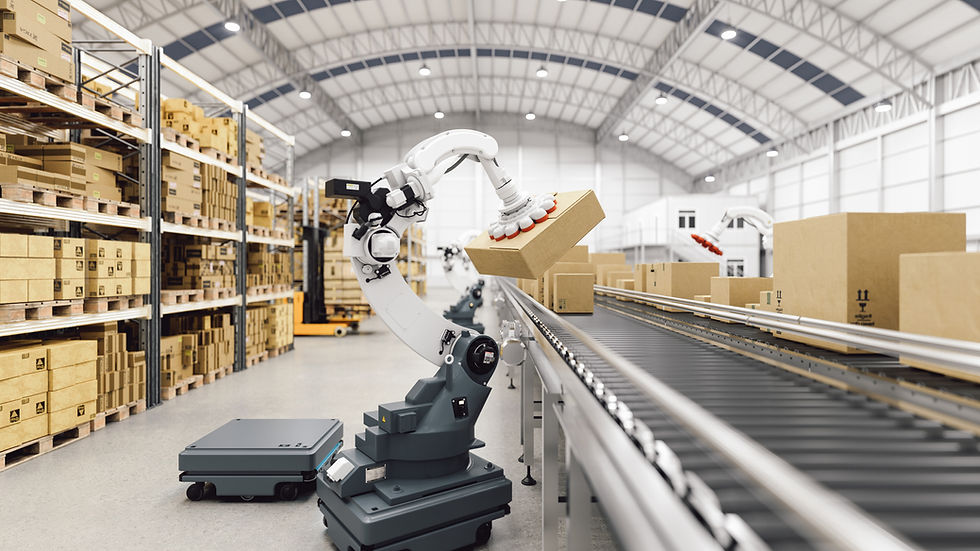
For example, imagine a warehouse where employees are trained to handle equipment safely. The risk of injury drops dramatically, and workers feel more confident in their roles. This confidence translates into better productivity and fewer sick days. It’s a win-win situation.
Moreover, workplace health training benefits extend beyond physical safety. It includes mental health awareness, helping us recognise signs of stress or burnout early. When we support mental well-being, we create a more resilient team that can adapt to challenges without feeling overwhelmed.

Reason 1: Protecting Your People and Your Business
The first and most obvious reason for investing in health and safety training is to protect the people who make your business run. Accidents and injuries can have serious consequences, not just for the individuals involved but for the entire organisation. When someone gets hurt, it affects morale, productivity, and can lead to costly legal issues.
By providing comprehensive training, we equip our teams with the knowledge and skills to identify hazards and act safely. This proactive approach reduces the likelihood of accidents and creates a safer workplace for everyone.
Let’s consider a construction company. Without proper training, workers might not be aware of the risks associated with heavy machinery or working at heights. Training ensures they understand safety protocols, use protective equipment correctly, and know how to respond in emergencies. This not only saves lives but also protects the company from fines and reputational damage.
Reason 2: Enhancing Compliance and Reducing Costs
Staying compliant with health and safety regulations is a must for any business. But compliance isn’t just about avoiding penalties; it’s about demonstrating that we care about our people and our responsibilities. Training helps us stay up to date with the latest laws and best practices, ensuring we meet or exceed standards.
When we invest in training, we reduce the risk of costly incidents that can drain resources. For instance, workplace injuries often lead to compensation claims, increased insurance premiums, and lost workdays. These costs add up quickly and can impact the bottom line.
By embedding health and safety into our daily routines through training, we create a culture where safety is second nature. This culture reduces accidents and the associated costs, making our business more efficient and sustainable.

What is the best health and safety certification?
Choosing the right certification for your business can feel overwhelming, but it’s an important step in ensuring your training is effective and credible. The best health and safety certification depends on your industry, size, and specific needs.
For many organisations, certifications like NEBOSH (National Examination Board in Occupational Safety and Health) are highly regarded. NEBOSH offers a range of courses that cover general health and safety principles, as well as specialised topics like construction safety or environmental management.
Another popular option is IOSH (Institution of Occupational Safety and Health), which provides practical training focused on managing safety in the workplace. IOSH courses are designed to be accessible and relevant, making them a great choice for businesses looking to build a strong safety culture.
When selecting a certification, consider factors such as:
The relevance to your industry
The level of detail and depth of the course
The reputation and recognition of the certifying body
The flexibility of training delivery (online, in-person, blended)
By choosing the right certification, we ensure our teams gain valuable skills that translate into real-world safety improvements.
Reason 3: Building a Culture of Resilience and Trust
Beyond compliance and protection, health and safety training helps us build a workplace culture that values resilience and trust. When people feel safe, they’re more likely to speak up about potential hazards or suggest improvements. This openness leads to continuous learning and better problem-solving.
Training also shows that we care about our team’s wellbeing, which strengthens trust and loyalty. Employees who feel supported are more engaged and motivated. They’re less likely to leave, reducing turnover and the costs associated with hiring and training new staff.
Creating this culture isn’t a one-time effort. It requires ongoing commitment and reinforcement. Regular training sessions, clear communication, and visible leadership support all play a part in making safety a shared responsibility.
By fostering resilience, we prepare our business to handle challenges smoothly, whether it’s adapting to new regulations or responding to unexpected incidents.
Taking the Next Step Towards a Safer Workplace
We’ve seen how investing in corporate health and safety training can protect our people, enhance compliance, and build a culture of resilience. These benefits don’t just improve safety; they contribute to a stronger, more successful business.
If you’re ready to take the next step, consider partnering with experts who understand the practical and people-centric approach to health and safety. Training that’s tailored to your needs and delivered in an engaging way can make all the difference.